Should an app be allowed to know you're sick before you do?
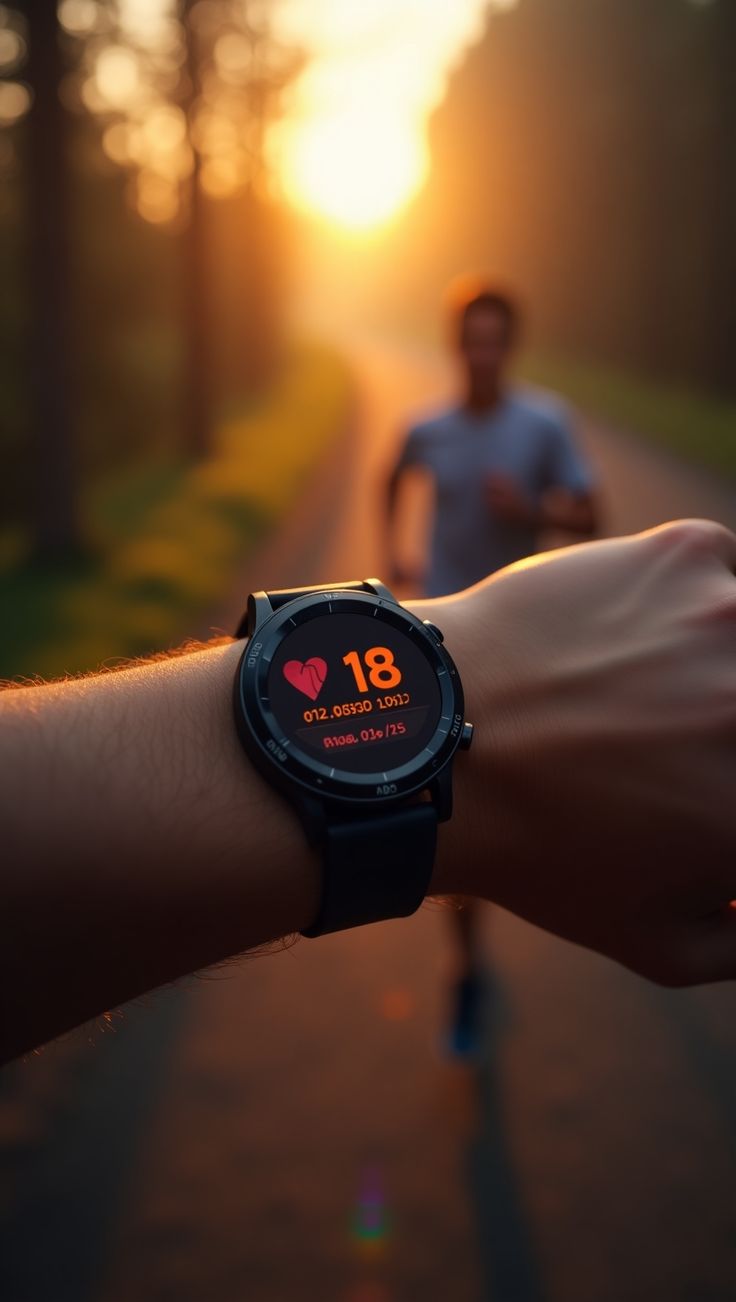
Wearables can already flag irregular heart rhythms before a person feels a single symptom. Some of them have caught early signs of conditions doctors would've missed for months, because a doctor only sees you for fifteen minutes twice a year, and a watch sees you all night, every night.
That sounds like a win, and in a lot of cases it is one. People have gone in for a checkup because a notification told them to, and found something a routine visit never would have caught. That part of the story is real and worth saying plainly.
Here's the part that gets skipped. A piece of software owned by a company is holding information about your body before you are. Before your doctor. Before your family. Before you've even opened the app that day. The device knows. A server somewhere has processed it. And you find out whenever the notification decides to tell you, worded however the product team decided a health alert should be worded.
Who gets told first matters, and right now the order looks like this: the company's servers, then an algorithm's confidence threshold, then a notification, then maybe you, depending on your phone settings and whether you happened to glance at the screen. Somewhere in a data center, a system already "knows" something about you that you don't know about yourself yet.
There's a version of this where that's fine. Cars have known when a tire is low before the driver does for decades, and nobody calls that a violation. A smoke detector knows there's a fire before you do. We don't usually mind machines catching things early when the stakes are mechanical and the fix is obvious.
Bodies are different. A diagnosis isn't just information, it's a life event. It changes how people plan the next five years, how they talk to their families, what they Google at 3am. Handing that moment to an algorithm's timeline instead of a doctor's office changes the shape of the moment itself, even if the underlying medical fact would have come out the same either way.
There's also the question of what happens to that data once the company has it. Health information is valuable to insurers, to employers, to advertisers who would very much like to know you're anxious about your cholesterol before you've told a single human being. The company holding your diagnosis first isn't just a timing issue. It's a question of what else that company can do with a fact about your body that even you don't have yet.
If the tech works, does it matter who holds the information first? Or is that exactly the part that should worry us, the part that gets waved away because the underlying detection is impressive?
Drop your take below. We're saving the good arguments for episode three.
Comments (0)
- Be the first to comment.