Is AI art theft, or is this just what art has always been?
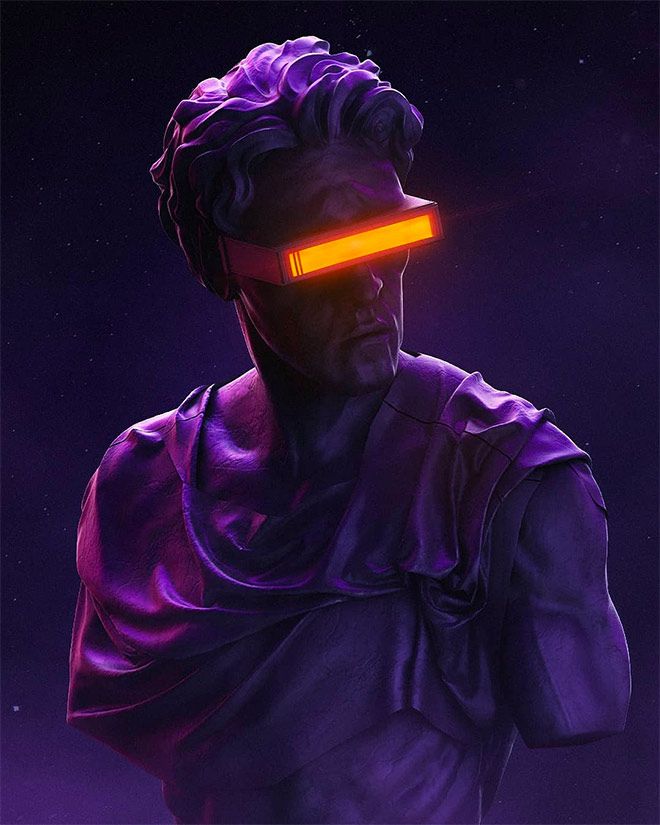
Every artist trains on other people's work. That's how style gets learned in the first place: you look at a thousand paintings before you make your first good one, you absorb what a brushstroke does, what a composition needs, what makes a piece of work land instead of falling flat. That process gets copied, bent, and eventually turned into something new that carries traces of everything that came before it. Nobody calls that theft when a human does it over a decade of looking, studying, and failing at other people's paintings.
An AI model does something that looks similar on the surface. It's shown enormous amounts of existing work and it learns patterns from that exposure, the same rough shape as a human absorbing influence. The differences show up in the details, and the details are where the whole argument actually lives.
The first difference is scale. A model can process millions of images in the time it takes a human artist to look carefully at a few thousand across an entire career. That's not a small gap, it's an entirely different order of magnitude, and scale changes what a thing is. A campfire and a wildfire are made of the same reaction. Nobody argues that means they should be treated the same way.
The second difference is consent. A human artist looking at a museum's paintings didn't need to ask each painter's permission, because looking at public work and being inspired by it was always understood to be part of what art is. An AI company scraping millions of images to train a commercial model is a different kind of taking, one where the people whose work built the system were never asked and, in most cases, never paid.
The third difference is competition. When a human artist absorbs influence and creates something new, that new work enters the market alongside the older work, and mostly doesn't replace it. When an AI model trained on an artist's portfolio can then generate work "in the style of" that same artist, cheaply and instantly, it can compete directly with the person whose work it learned from, in a way that undercuts their ability to keep making a living from that exact style.
Those three things, scale, consent, and competition, get argued as one single question: is this theft, yes or no. They're not the same question, and people talking past each other in this debate are usually each answering a different one of the three without realizing it.
Is the problem the copying itself, which has always existed and always will? Or is the problem that it happened without consent and now competes directly with the people who made the original work possible?
Tell us which one you're actually mad about. We want the sharpest version of this argument in the room next time.
Comments (0)
- Be the first to comment.